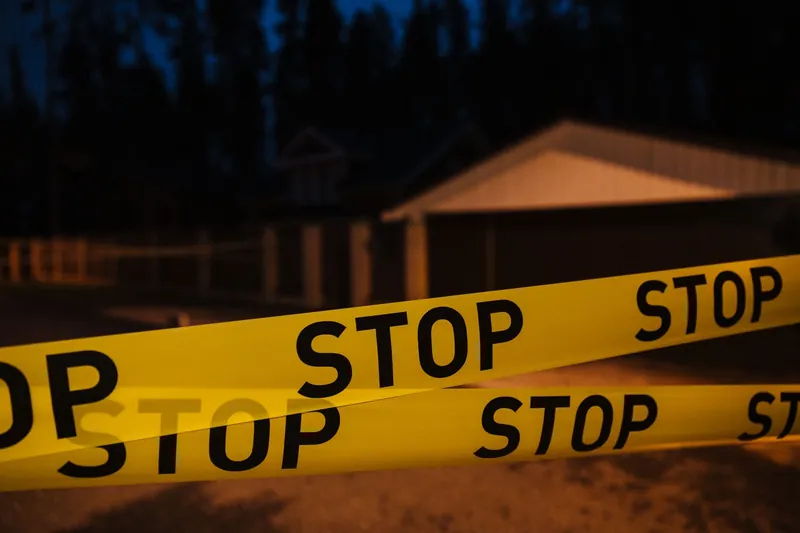
Crime Scene Cleanup
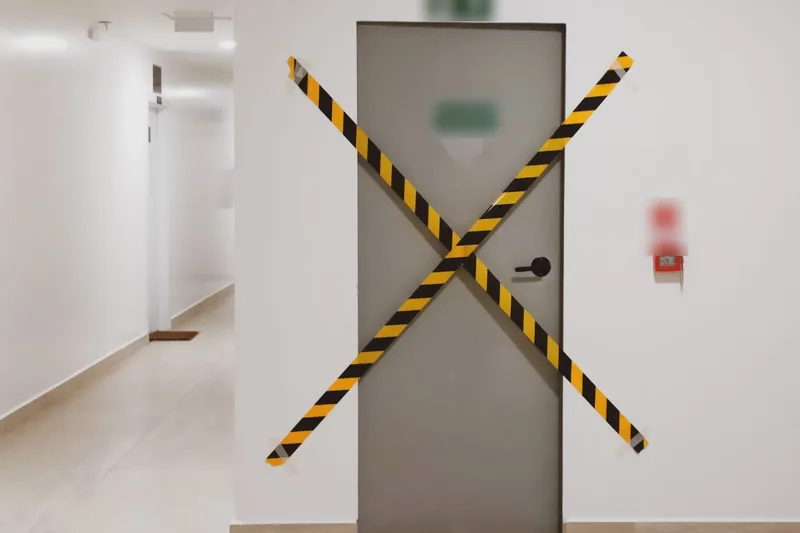
After the property is released by police, crime scene cleaning removes blood and controls odor.
See crime scene cleanupFor sewage, hoarding, death, blood, crime scene or another need in ZIP 23233, call to request biohazard cleanup.
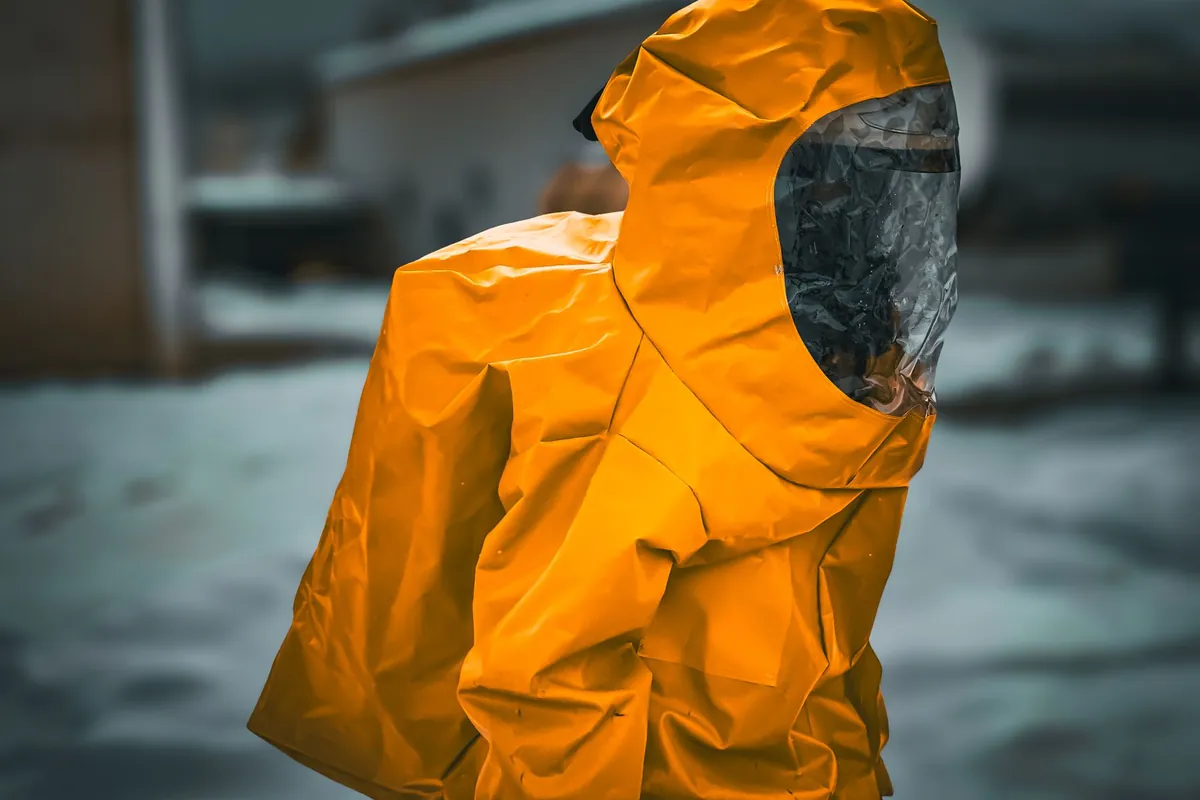
The safe disposal, removal and disinfection of bodily fluids, blood, tissue and other hazardous materials after an accident, crime, death, sewage backup or hoarding situation is biohazard cleanup.
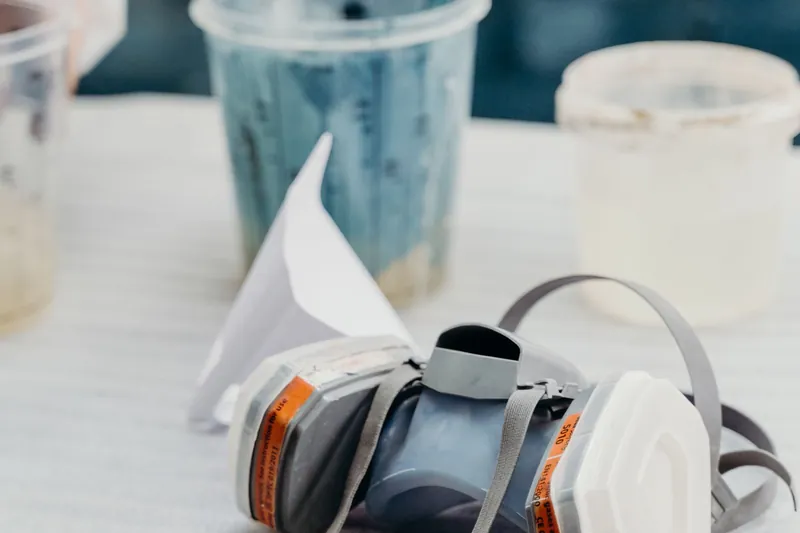
Bio cleanup, trauma cleanup, bio hazard cleaning and biohazard remediation describe the same work. Professional biohazard cleanup goes beyond ordinary deep cleaning. Using personal protective equipment, technicians trace every place contamination reached, remove porous items beyond disinfection, then restore affected areas to a livable condition.
Local housing, population and access details can shape containment, access and cleanup planning.
In 23233, 34.9% of homes are renter occupied, so privacy and simple communication matter when a property contact is involved.
In housing built around 1993, selective removal can expose affected layers without disturbing finishes outside the cleanup boundary.
There are 1,386 seniors living alone locally, making simple welfare check plans useful even when the overall share is lower.
Because 69.0% of housing is single-family, some calls involve one household while others require coordination around shared building areas.
Choose a service below or call if you are not sure which page fits your situation.
After the property is released by police, crime scene cleaning removes blood and controls odor.
See crime scene cleanup
Cleanup after an undiscovered death includes odor control and the effects of days of decomposition.
See unattended death cleanup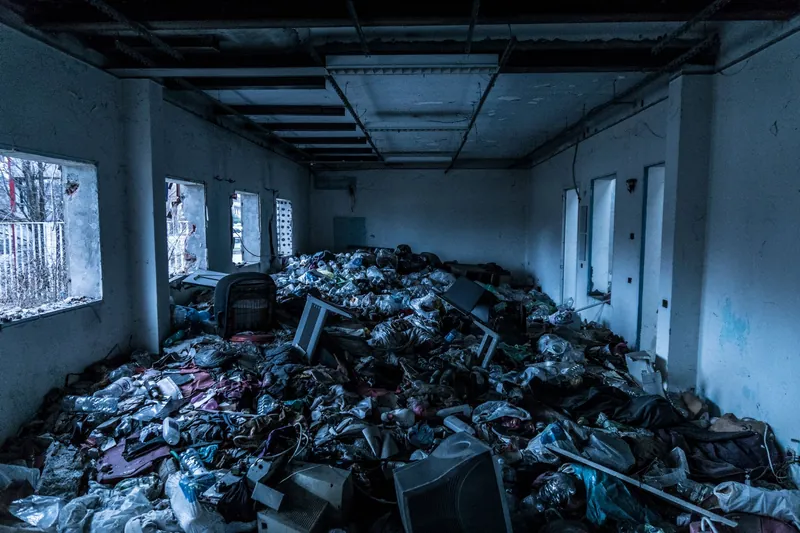
Respectful sorting, item removal and deep cleaning are included in hoarding cleanup.
See hoarding cleanup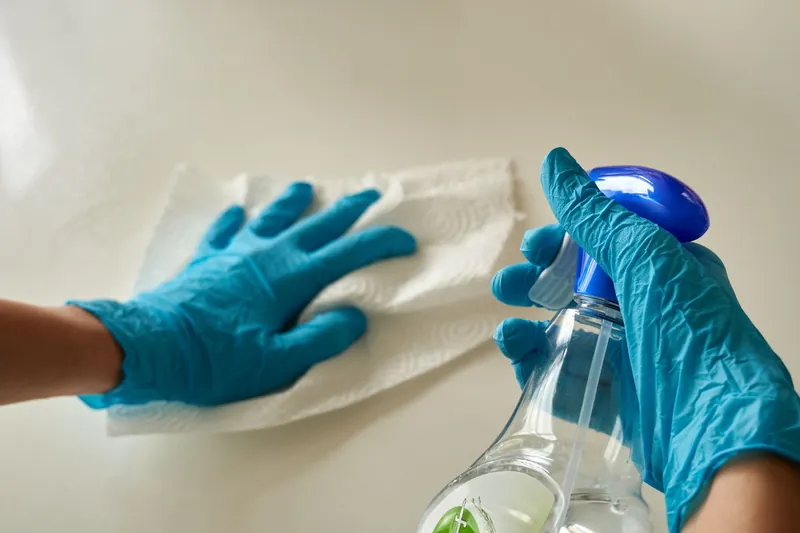
Blood cleanup clears blood from furniture, walls, hard floors and carpet, followed by safe disposal.
See blood cleanup
Disinfection and drying follow sewage cleanup of Category 3 black water from raw sewage.
See raw sewage cleanup
Death odor removal at the source with air scrubbers, hydroxyl and ozone treatment.
See death odor removalA service link takes you to the nearest location page, with the main city page used if none is closer.
This is a one-time experience for most people. Your health, claim and final cleanup cost are protected by the first actions you take.
Call (888) 440-9227For most home jobs, published guides place residential biohazard cleanup between $1,800 and $8,000. Small blood cleanup may cost under $1,000, while large hoarding, sewage or decomposition jobs can exceed $20,000. An on-site assessment determines the actual price.
Frequently, yes. Many renters and homeowners policies cover biohazard cleanup after a sudden crime, death or sewage backup, with the deductible remaining your responsibility.
The Virginia Victims Fund lists crime scene cleanup among eligible expenses, so victims of violent crime can ask about it when filing a compensation claim. Insurance is usually checked first.
The property manager or owner commonly coordinates and funds cleanup for a rented unit or common area.
Death cleanup costs can often be covered by the estate. The responsibility usually falls to a family member or executor.
Insurance generally covers events that are both sudden and accidental. Long-term neglect and hoarding are generally excluded. Ask your insurer before work starts.
Call at any time. A cleanup specialist can explain the next steps.
People can become seriously ill because biohazards are health hazards, and contamination often extends beyond the areas you can see.
Hepatitis B, hepatitis C and HIV can live in blood. The CDC says hepatitis B can survive on surfaces for at least seven days.
Decomposition creates bacteria, gases and fluids that enter floors, then travel along the ventilation system into nearby rooms.
Raw sewage carries E. coli, salmonella and hepatitis A, and wet materials can grow mold within 24 to 48 hours.
Surface cleaning with sprays or bleach misses fluids that have entered carpet padding, drywall and the subfloor. What is left behind brings odor and bacteria back, which is why decontamination services remove it.
No judgment for hoarding or neglect, and care for you and your family at a difficult time. Your photos, important papers and keepsakes are placed aside.
Emergency service calls are answered day and night, and crews arrive in unmarked vehicles so neighbors and building staff do not know what happened.
Documentation for your insurance company, landlord or state victim program includes photographs, scope details and waste records.
You receive an explanation of the cleanup plan, every step involved and what can change the price ahead of any removal. There is no pressure and nothing unexpected.
Each job follows the same safe biohazard cleanup process, beginning with your call and ending with the final inspection.
Say what happened. You and the technicians agree on the scope after they inspect the scene and take photos.
Plastic sheeting isolates the affected area and stops contaminants from reaching additional rooms.
After infectious materials soak into carpet, pad, drywall or similar porous items, the affected pieces are removed and sealed for medical waste, so no affected material is left behind.
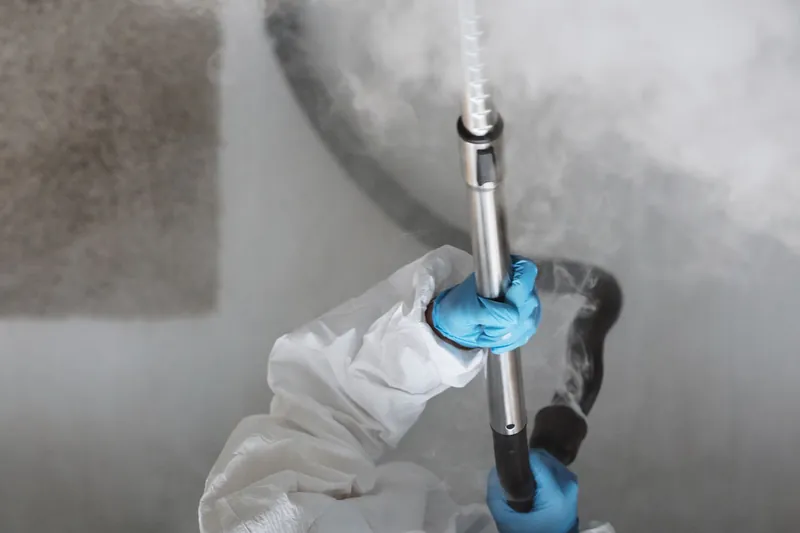
Cleaning every surface is followed by treatment with hospital-grade, EPA-registered disinfectant.
Air scrubbers, ozone or hydroxyl address odor where it begins, while vents receive inspection.
A permitted medical waste treatment facility receives the sealed material along with its tracking documents.
Where needed, ATP testing helps check that the space has returned to a livable condition. You also get photographs and documentation for your claim.
Your own contractor or a vendor working with your insurer can replace any removed drywall or flooring.
For privacy, crews come in unmarked vehicles and limit noise as much as the building allows. You may need a property manager to organize entry into shared spaces.
Owners frequently make the cleanup arrangements for units and common areas. You can ask your insurer what your policy covers.
Published national ranges are a starting point. The cleanup company sets the price after assessing the affected rooms, materials and disposal needs.
A crew can begin after you agree on timing and after the property is released by the medical examiner, police or another authority.
You can reach someone by phone 24 hours a day. The actual start time depends on scene release, access and crew scheduling.
Someone answers your call 24 hours a day, on weekends and holidays too.